Fundamentals First: Diving into Microsoft Azure Basics
In today's cloud computing landscape, Microsoft Azure stands as a major platform, equipping organisations with computational capabilities, worldwide infrastructure and enterprise-level services. Whether you're beginning a cloud transition or comparing solutions, understanding Microsoft Azure fundamentals is essential.
Circuit Minds helps organisations every day to understand, implement and maintain Microsoft Azure services. This guide walks you through Azure basics — covering the core offerings and how they align with your business.
What is Microsoft Azure?
Microsoft Azure is a public cloud computing platform delivering more than 200 products and cloud services. Companies and developers use it to build, test, launch and manage applications via Microsoft's global data centres.
Azure supports an extensive range of tools, tech stacks and frameworks, making it an adaptable platform for modernisation across sectors.
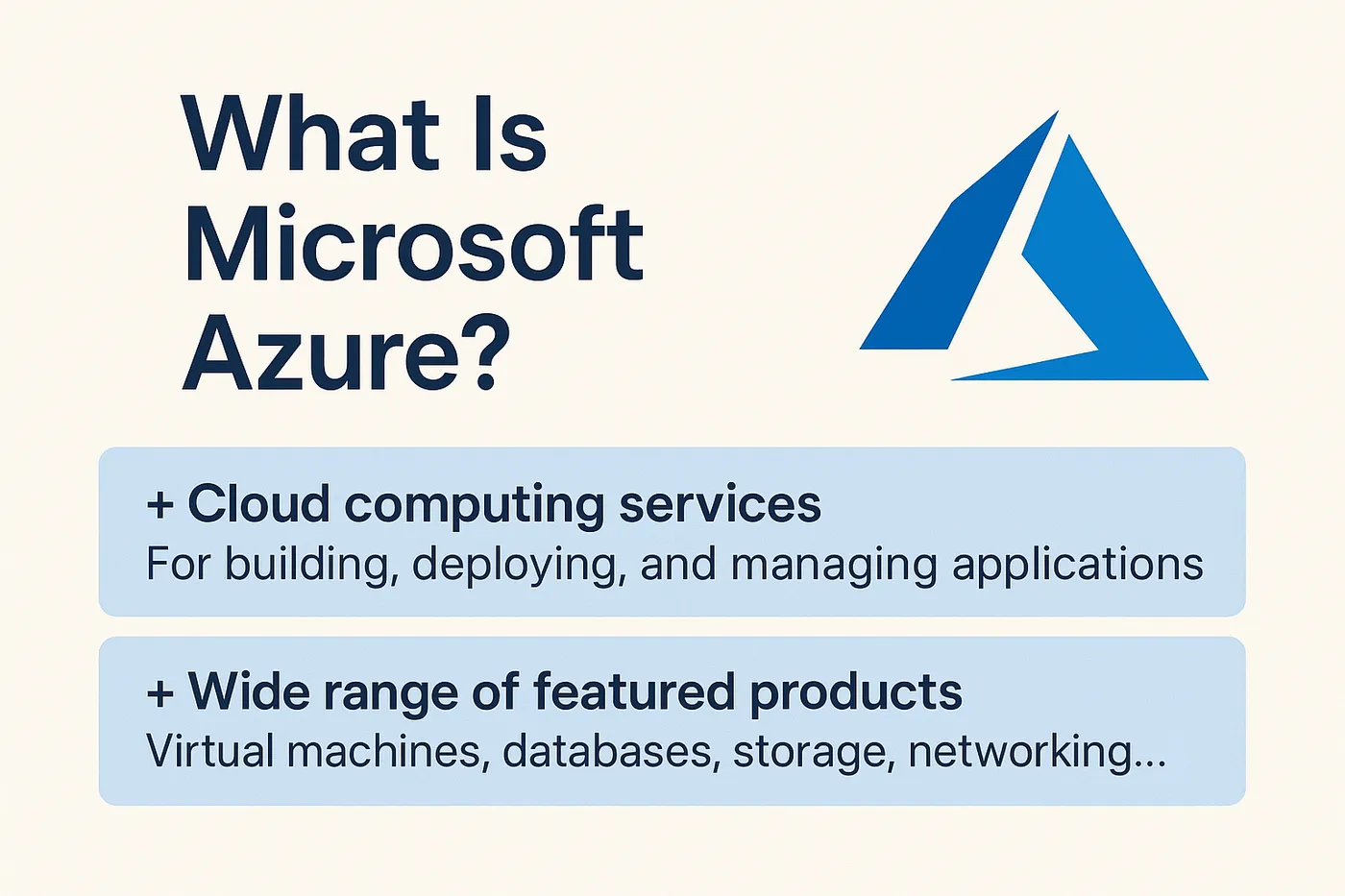
Azure's primary offerings include:
- Compute power (virtual machines, containers)
- Storage (blobs, databases, files)
- Networking (virtual networks, load balancers)
- AI and machine learning
- IoT, mobile and web app development
Why learn Microsoft Azure fundamentals?
The Microsoft Certified: Azure Fundamentals credential is aimed at individuals new to Azure or cloud technology. Grasping the Microsoft Azure basics gives you an understanding of the core offerings, cloud models, payment structures and administration tools, preparing you for practical deployments or progression towards higher certifications.
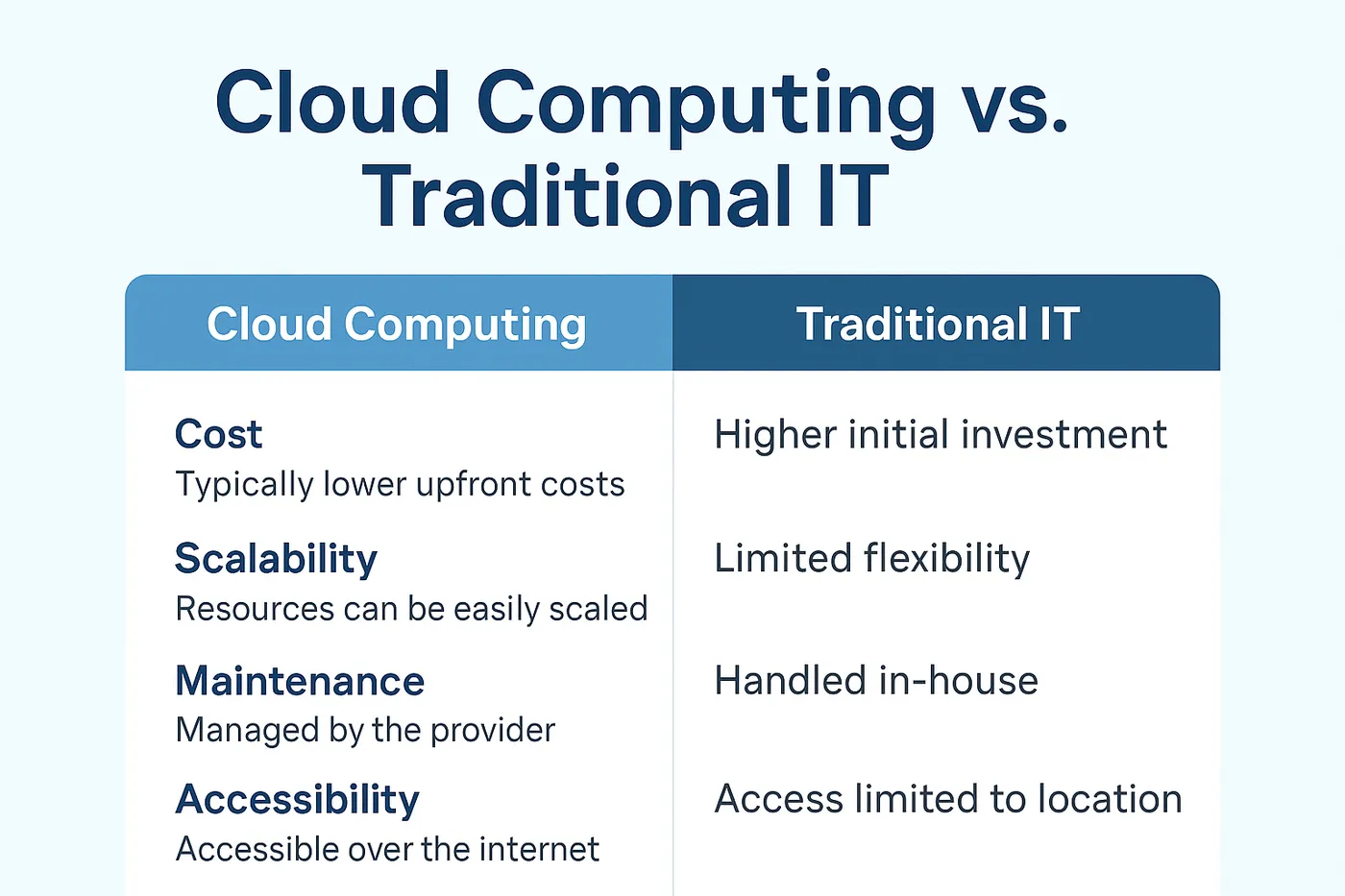
Key reasons to master Azure fundamentals:
- Understanding cloud models including IaaS, PaaS and SaaS
- Exploring Azure's worldwide data centre network
- Understanding cost monitoring and service guarantees (SLAs)
- Identifying the security, compliance and identity tools in Azure
- Establishing the groundwork for advanced Azure certifications
Key components of Microsoft Azure fundamentals
Azure's foundational ideas emphasise both simplicity and capability. These central topics deserve attention:
1. Cloud concepts
Azure demonstrates the core advantages of cloud technology, including:
- High availability: uninterrupted operations with minimal downtime
- Scalability: programmatic resource adjustment to match demand
- Elasticity: strategic resource provisioning that reduces spend
- Disaster recovery: integrated protection and restoration mechanisms
- CapEx vs OpEx: moving from upfront capital outlay to consumption-based billing
2. Core Azure services
Explore virtual machines, resources and subscriptions. Azure services fall into functional categories:
- Compute: Azure Virtual Machines, App Services, Containers
- Storage: Azure Blob Storage, Disk Storage, Files
- Databases: Azure SQL, Cosmos DB, Database for PostgreSQL
- Networking: Azure Load Balancer, VPN Gateway, Virtual WAN
3. Azure pricing and SLAs
Microsoft supplies these resources:
- The Azure Pricing Calculator for estimating and reducing costs
- The Total Cost of Ownership (TCO) calculator to support on-premises migration decisions
- Service Level Agreements (SLAs) guaranteeing reliability metrics
4. Azure identity, governance and compliance
Security and identity form Azure's backbone. Key topics include:
- Microsoft Entra ID (formerly Azure AD) for managing user identity
- Role-Based Access Control (RBAC)
- Azure Policy and Blueprints for upholding organisational rules
- Compliance offerings covering ISO, GDPR, HIPAA and more
Who should learn Microsoft Azure fundamentals?
Azure fundamentals appeal beyond technical specialists. Multiple career paths benefit from this training:
- IT managers: make informed decisions about cloud adoption
- Developers: build distributed applications securely
- Business analysts: evaluate cloud opportunities that advance corporate transformation
- CIOs and CTOs: align cloud spending with organisational aims
- Students and career changers: start progressing towards cloud credentials and technology careers
How to begin your journey with Azure
Microsoft offers self-paced training via Microsoft Learn, though guidance from an experienced partner accelerates adoption. Businesses collaborating with specialists like Circuit Minds benefit from:
- Assessment of your current infrastructure's readiness for Azure
- Practical Azure subscription administration and rollout
- Best practice on performance, security and compliance
Microsoft Azure Fundamentals exam (AZ-900)
If you want to validate your knowledge formally, consider the AZ-900: Microsoft Azure Fundamentals credential. It's designed for newcomers without an IT background and examines:
- Cloud concepts (20–25%)
- Core Azure services (15–20%)
- Azure pricing, SLA and lifecycle (10–15%)
- Security, compliance and trust (25–30%)
This assessment suits business leaders, marketing specialists and anyone establishing foundational Azure understanding.
Wrapping up
Developing proficiency in Microsoft Azure fundamentals empowers businesses to use contemporary cloud infrastructure with confidence, and gives specialists a framework for navigating the expanding cloud sector.
Circuit Minds helps companies and specialists through assessments and strategic cloud roadmaps that convert Azure knowledge into measurable business benefit — see our Microsoft 365 and Azure consultancy or book a free consultation to learn how we can help you.
Want this handled for you?
Circuit Minds is a UK managed IT provider - plans from £35 per user/month, with a free Microsoft 365 security audit to start. Cancel with 30 days notice anytime in your first 3 months, no questions asked.